
Information to have ready
To help us prepare your commercial vehicle insurance quote efficiently, here is the information that is useful to have ready. The exact details needed may vary depending on your vehicle type, business activities, drivers, territories, and whether you insure one vehicle or a fleet.
Your business
- A clear description of your activities and operations.
- The business structure and the identity of its officers.
- The contact information of the person responsible for the file.
The vehicles to insure
- The types of vehicles used in your operations.
- The intended use of each vehicle, including whether it is used for service calls, deliveries, transportation, job sites, sales visits, or employee travel.
- The number of vehicles, including trailers, if applicable.
- Ownership or leasing details for each vehicle, if applicable.
- Approximate annual kilometres driven by vehicle, route, territory, or driver, if available.
The coverage you need
- Your general liability needs related to vehicle use.
- The coverage you want for vehicle damage.
- Whether goods, tools, equipment, merchandise, client property, hazardous materials, or temperature-sensitive products are transported.
- The type, approximate value, ownership, and usual storage or delivery method for transported goods, tools, or materials.
Your operating context
- The territories where the vehicles are used.
- Authorized drivers and their relationship to the business.
- Driver experience, claims history, prior accidents, licence class, and any relevant driving record information.
- How long each driver has been with the company or driving for the business.
- Whether vehicles operate on fixed routes, variable routes, local trips, regional travel, or outside Quebec.
- Whether deliveries or trips are subject to time requirements, deadlines, emergency calls, or service-level commitments.
The more information we know, the more our brokers can customize an insurance program for your specific situation.
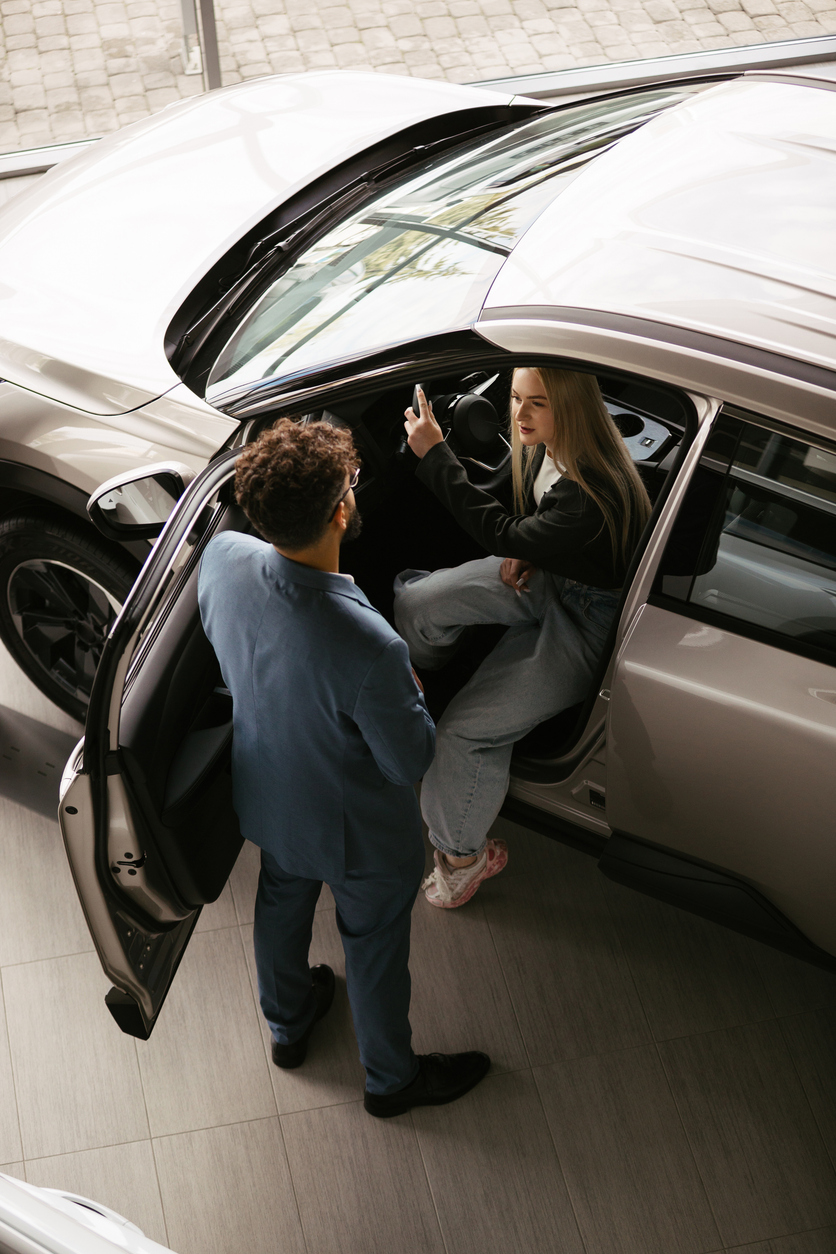
What is commercial vehicle insurance?
Commercial vehicle insurance helps businesses in Quebec insure vehicles used for work. This includes single service vehicles and a fleet of commercial-use vehicles. It can help address exposures involving vehicle damage, general liability, drivers, transported property, territories, and business operations. This help is subject to the coverages, limits, deductibles, exclusions, eligibility rules, and policy wording in place.
It is separate from personal auto insurance because business use can involve different drivers, vehicle types, territories, transported goods, liability exposures, and insurer underwriting requirements.
Even when your operations are well structured, using vehicles for work exposes your organization to risks that personal auto insurance may not be designed to address. Commercial vehicle insurance helps manage these situations and supports the continuity of your activities, whether you operate one vehicle or a full fleet.
Common situations:
- An employee is involved in a loss while using a vehicle in the course of their duties.
- A commercial vehicle causes property damage to a third party during a business trip.
- A company vehicle is damaged following a collision or another covered incident.
These situations can affect contractors, service businesses, delivery operations, mobile professionals, trades, retailers, and other organizations that rely on vehicles to operate. A La Turquoise broker familiar with Quebec business insurance can help you review how your vehicles are used and compare commercial auto insurance options available on the market.
A La Turquoise broker can review your situation and help you evaluate commercial vehicle insurance options for your business in Quebec.
Contact us for a quote
What types of coverage are available for commercial vehicle insurance?
When a vehicle is used for work, the consequences of a loss can go beyond simple property damage.
General liability: this coverage may respond when the use of an insured vehicle leads to a claim alleging property damage or bodily injury to another person, including certain defence costs. The policy wording will determine the coverage.
- It may apply when a covered loss occurs during a business trip.
- It may apply when an authorized employee drives an insured vehicle on behalf of the business.
- It can help cover the financial consequences of covered property damage or bodily injury caused to others.
An incident can immobilize a vehicle that is essential to your operations, even off the road.
Damage to insured vehicles: this coverage may apply when an insured business vehicle is damaged by a covered collision, theft, fire, vandalism, or other insured peril, depending on the coverage form selected and the policy wording.
- It may apply when a service vehicle is involved in a covered collision.
- It may apply when a vehicle is damaged during a business trip or while parked, subject to the cause of loss and policy conditions.
- It can help pay for repairs or replacement according to the coverages, limits, deductibles, and valuation basis in place.
Some activities involve taking charge of vehicles that do not belong to you.
Entrusted vehicles: this coverage may apply when your business has custody, care, or control of a client’s or another third party’s vehicle. This may occur during inspection, maintenance, repair, servicing, installation, storage, transportation, or other business-related handling. The policy wording applies.
- It applies when a vehicle is entrusted for inspection, maintenance, or transport.
- It applies during manoeuvres required for your operations.
- It may help respond to certain liability exposures during the period of custody, depending on the coverage purchased.
Your vehicle often carries much more than people.
Goods in transit: this coverage may help protect eligible goods, tools, or merchandise while they are transported in a vehicle used for business activities. The type of property, ownership, limits, exclusions, and policy wording determine eligibility.
- It applies to tools needed to deliver your services.
- It covers merchandise or goods entrusted during a business trip.
- It applies when these goods are damaged following a covered incident.
Some recreational vehicles are used directly in business operations.
Commercial-use recreational vehicles: certain recreational or specialized vehicles used for business purposes may require commercial vehicle insurance or a specific endorsement. This depends on the vehicle type, use, ownership, drivers, and insurer eligibility.
- It applies when the business uses the vehicle as part of its commercial activities.
- It applies during trips related to business operations.
- It accounts for the risks specific to the professional use of this type of vehicle.
Why work with a broker for your commercial vehicle insurance?
Commercial vehicle insurance involves more than listing vehicles on a policy. Vehicle use, drivers, carried property, territories, contracts, ownership, leasing arrangements, and fleet structure can all affect the insurance options available. At La Turquoise, a broker can help you identify important exposures, compare commercial auto insurance options, and review your coverage as your business evolves. This happens subject to insurer underwriting, eligibility, terms, conditions, exclusions, limits, and deductibles.
Contact us for a quote
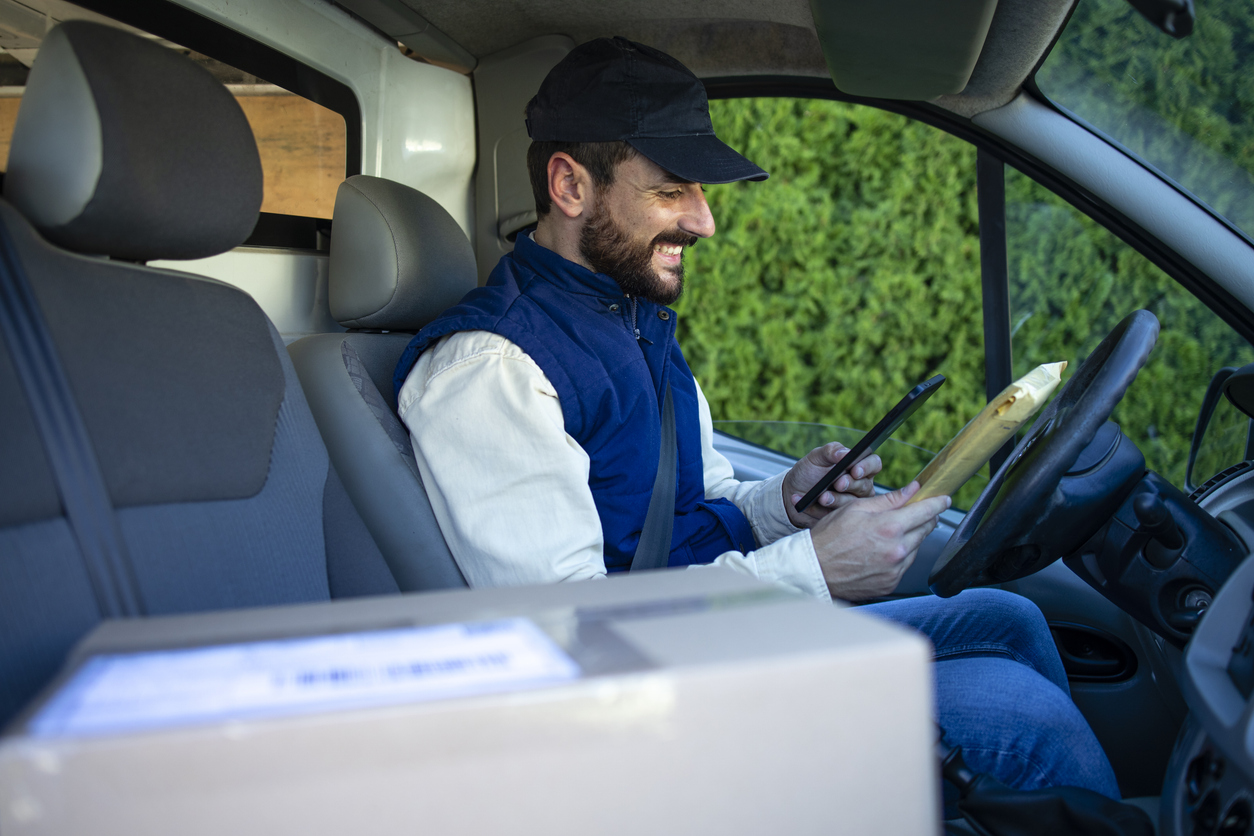
Frequently asked questions about commercial vehicle insurance
Some questions come up regularly about commercial vehicle insurance in Quebec. Here are general answers to help business owners and managers better understand commercial auto insurance, fleet policies, general liability, vehicle damage, goods in transit, entrusted vehicles, and when to speak with a broker.
The difference comes down to how the vehicle is used. Personal auto insurance is generally designed for private or personal use. By contrast, commercial vehicle insurance is intended for vehicles that support business activities, generate revenue, transport tools or merchandise, or are driven by employees or other authorized drivers.
In a business context: A vehicle may transport people, tools, merchandise, or materials. It can be on the road all day, cover a large territory, or be driven by multiple employees.
What this means for your business: When a vehicle is used for business purposes, commercial auto insurance is generally more appropriate than a personal policy. A personal auto policy may limit or exclude certain business uses, drivers, vehicle types, or transported property.
Often, yes. This situation is common, particularly among small and medium-sized businesses. The key factor is not only the number of vehicles. The role the vehicle plays in your operations, who drives it, what it carries, and where it is used are all important.
Common situations:
- A service vehicle used for client calls.
- A pickup truck is used to transport tools or merchandise.
- A commercial truck used for deliveries or business trips.
A useful benchmark: If the vehicle is essential to your day-to-day operations or is regularly used for business purposes, it should be reviewed for commercial vehicle insurance.
Commercial vehicle insurance can apply to many types of vehicles used for business purposes. These include the vehicle, ownership, use, drivers, territory, and insurer guidelines.
Examples of vehicles covered:
- Service and transport vehicles.
- Commercial trucks and heavy vehicles.
- Trailers are used as part of business operations.
Special cases: Certain recreational vehicles, trailers, or specialized vehicles used for commercial purposes may also be eligible, depending on the type of vehicle, how it is used, and insurer guidelines.
Good practice: Describing the actual use of each vehicle helps determine whether it falls under commercial auto insurance.
Fleet insurance is designed for businesses that use multiple vehicles in their operations. It can help group eligible vehicles under one commercial auto insurance program, while still accounting for vehicle type, age, replacement value, use, drivers, territories, and insurer requirements.
In practice:
- Vehicles may be shared among several employees.
- Use may vary depending on shifts or seasons.
- Vehicle types within the same fleet may differ.
Why this matters: A clear description of how vehicles are used helps a broker evaluate fleet insurance. It reflects your business’s actual situation, including service vehicles, delivery vehicles, work site vehicles, and seasonal or shared vehicles.
A quote is most relevant when it accurately reflects your business’s operations.
Information typically required:
- The list of vehicles used for commercial purposes.
- The type of use for each vehicle, including the transport of goods or materials.
- The territories are covered, particularly if vehicles travel outside Quebec.
- Authorized drivers and their relationship to the business.
The goal of this process: This information helps a broker understand your operations, present the file accurately to insurers, and evaluate commercial vehicle insurance options aligned with your activities.

Other commercial insurance solutions
-
Business financial services
Explore financing solutions that can support your business projects, cash flow, and growth objectives.
-
Cyber risk
Protect your business against certain financial consequences of cyber incidents, privacy breaches, and data-related claims, subject to the coverage selected.
-
General liability
Help protect your business when your operations are alleged to have caused bodily injury, property damage, or other covered harm to a third party.
-
Professional liability
Manage the financial consequences of covered professional errors, omissions, or allegations related to your services.
-
Surety bond
Help support your contractual obligations and give clients greater confidence in your ability to complete the work.
Insurance solutions designed for your everyday needs
Because every situation is different, La Turquoise offers insurance solutions adapted to your reality, whether it involves your vehicles, property, personal needs, operations, or business activities.