
- Automotive
- Coverage Explained
- General Advice
- La Turquoise
- Personal
- Practical Advice
- Recreational Vehicles
Replacement insurance (CIME)
4 min
This portal is for Intact Insurance clients. Log in to access your documents, your coverage and your claims tracking.
Agriculture and forestry
Contact us for a quote
Information to have on hand
To help us prepare your quote efficiently, here is the information that is useful to have ready. The exact details needed may vary depending on whether your activities are agricultural, forestry-related, or both.
For all types of insurance
Agricultural operations
Forestry operations
The more information we know, the more our brokers can customize an insurance program for your specific situation.
Dairy, pork, market gardening, maple, and more. Explore farm insurance options based on your operation, equipment, buildings, livestock, and liability exposures.
An APFQ member? Explore insurance options and member benefits negotiated through La Turquoise.
Machinery, remote job sites, public or private forest, liability, and pollution exposures. Insurance options designed for forestry contractors in Quebec.
An SIAQ member? Explore insurance benefits available to members of your association.

A dairy, pork, or market garden farm. A maple grove or a vineyard. A family woodlot or a commercial timberland. A fleet of forestry machinery on a remote job site. Each operation has unique characteristics, and so do its risks.
In agriculture, needs vary by type of production. Each operation has distinct exposures based on its:
This applies whether the operation is a dairy farm, sugar bush, market garden, vineyard, equestrian farm, or field crop operation.
Coverage that is poorly calibrated can leave costly gaps.
In forestry, the challenges are just as concrete. Forestry machinery represents a considerable investment.
A machine stuck in the mud, a fire, equipment breakdown, fuel spill, or problem on a remote job site can disrupt operations quickly.
Public forest, private forest, contract requirements, pollution exposure, firefighting costs, and general liability should be reviewed together.
At La Turquoise, a broker familiar with Quebec’s agricultural and forestry sectors can review your situation and identify important exposures. They can also help you compare commercial insurance options suited to your activities, subject to insurer terms, conditions, exclusions, limits, deductibles, and eligibility.
Contact us for a quote
A farming operation carries very real risks. Common agricultural exposures may involve: building, machinery and equipment, livestock, products, farm income, public-facing activities, and general liability. The coverage available for these exposures depends on your policy wording and insurer eligibility.
Your barn, stable, silos, henhouse, greenhouse, sugar shack, and machinery shed may be insured against covered losses such as fire, storm, theft, or vandalism, depending on the coverage form selected.
Snow load, wind, water damage, and reconstruction costs should be reviewed carefully, since coverage and insured value depend on the policy wording, exclusions, deductibles, limits, and valuation basis.
Cattle, pigs, poultry, sheep, horses, or other livestock may be insured by species or category, based on the amounts and conditions set out in your policy.
Newly acquired animals may also be covered for a limited period if the policy provides for it.
Agricultural general liability may respond when a claim alleges bodily injury, property damage, or certain other losses arising from your farming activities, including defence costs where covered.
Farms that welcome visitors, operate a sugar shack, sell directly to the public, offer equestrian activities, rely on volunteer helpers, or perform work for others should declare these activities so coverage can be reviewed.
Product contamination, accidental spills, family members or volunteer injuries, off-premise work, and larger operations may require additional liability limits or specialized coverage beyond a basic policy.
Agricultural machinery such as tractors, combines, tillage implements, tools, trailers, and spare parts may be insured against covered losses such as theft, fire, or accidental damage.
Depending on the insurer and policy wording, coverage may be arranged on a blanket basis or scheduled by individual pieces of equipment.
Certain newer equipment may be eligible for replacement costs, subject to insurer conditions and required documentation.
Harvests, seeds, fertilizers, stored feed, crops, syrup stock, and other farm products may be insured against covered losses, subject to policy wording, limits, cause of loss, and where the products are located.
Coverage should reflect how and where your agricultural products are stored, processed, transported, or used in your operation.
A major covered loss can force your operations to slow down or stop during a critical season.
Business interruption insurance may help replace a portion of lost income and certain extra expenses while operations resume, subject to the covered cause of loss, waiting period, limits, indemnity period, and policy wording.
View our partner insurers
La Turquoise works with several insurers active in agricultural and forestry insurance in Quebec.
This broker access allows us to compare available options and help you choose coverage suited to your operation, equipment, territory, liability exposure, and business activities. This is subject to insurer underwriting, eligibility, terms, conditions, exclusions, limits, and deductibles.
Partner insurers:
The Agricultural page details coverage options by type of production, including dairy, pork, poultry, market gardening, maple, sugar shack, beef, sheep, goat, and equestrian farming.
Get a quote based on your operation and insurance needs.
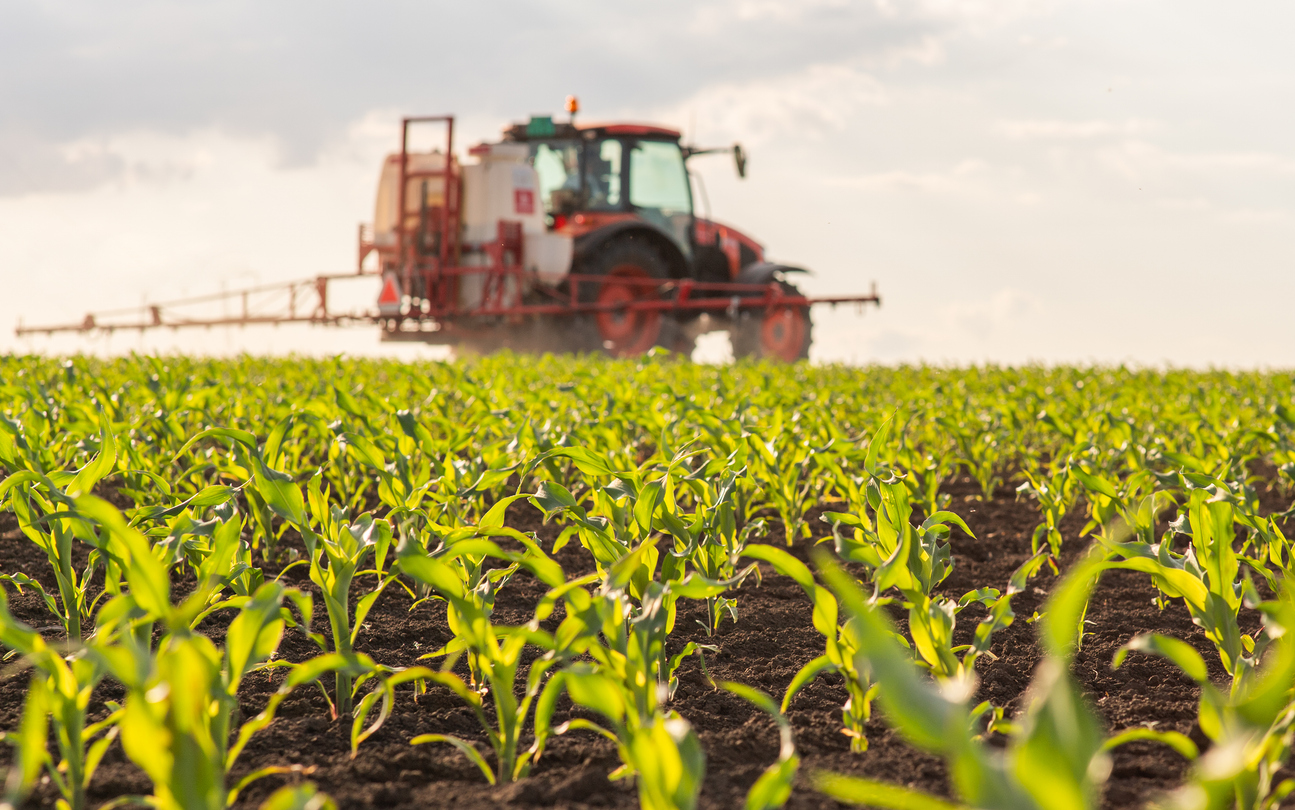
Forestry operations carry significant risks. These coverage categories can help address common exposures. These include machinery, remote job sites, public or private forest work, general liability, pollution, firefighting costs, felled timber, and business continuity. The coverage depends on your policy wording and insurer eligibility.
Your feller buncher, bulldozer, articulated truck, and other forestry equipment may be insured under one policy or equipment schedule. Coverage may apply to covered losses such as fire, theft, or accidental damage on job sites, subject to the selected coverage form and policy wording.
A fuel spill on a job site can result in cleanup costs, third-party claims, and regulatory obligations. Pollution or environmental liability coverage may respond to sudden and accidental spills of petroleum products or pollutants, depending on the coverage purchased and policy wording.
The price of new forestry machinery can run into the hundreds of thousands of dollars. Replacement cost coverage may help reduce depreciation impact after a covered loss when the policy conditions are met. Eligibility, valuation basis, replacement timing, limits, and insurer rules should be reviewed before a loss occurs.
If you operate in or own a private forest, you may be required to contribute to certain firefighting costs after a forest fire. Firefighting cost coverage may help pay a portion of those expenses when included in the policy and subject to the applicable conditions, limits, and exclusions.
A machine stuck in mud on a remote job site can delay production and create recovery expenses. Miring coverage may help pay for recovery costs, related equipment damage, and rental fees for replacement equipment when included in the policy and subject to its conditions.
Tools, spare parts, garages, and felled timber may be included in a forestry insurance policy when declared and insured under the applicable coverage.
Limits, locations, valuation, and whether a separate endorsement or schedule is required should be reviewed with your broker.
Some coverages can be added depending on your type of farm, forestry activities, equipment, job sites, contractual obligations, public-facing activities, and business size. A La Turquoise broker can help identify options that may apply to your situation.
A business that uses management software, billing systems, internet-connected equipment, or online tools is exposed to cyber risk. Cyber insurance may help cover costs related to a cyber incident, such as privacy breach response, general breach response, system restoration, business interruption, and certain third-party claims, subject to policy wording.
A surety bond provides financial assurance to a project owner or client if contractual obligations are not met, subject to the bond terms. Certain public tenders, institutional projects, or commercial contracts may require a bond before work begins or for you to quote on work.
Materials, tools, equipment, and products may move between job sites, yards, suppliers, and clients. Goods in transit coverage may help insure covered property while it is being transported, loaded, unloaded, or temporarily awaiting delivery, subject to limits, exclusions, and policy wording.
La Turquoise works with several associations, professional groups, and organizations to offer benefits to their members. Browse the list to see the associations and programs currently available.
No results found.
Some questions come up regularly about farm insurance and forestry contractor insurance in Quebec. Here are general answers to help you better understand coverage options, liability exposures, pollution risks, equipment protection, crop-related programs, and when to speak with a broker.
Welcoming the public creates liability exposure. A fall in a lane, an accident during a field activity, or an injury at a sugar shack can result in a claim alleging that you are responsible.
Agricultural general liability coverage may respond to covered claims for bodily injury, property damage, and defence costs, subject to your policy wording.
This coverage is particularly important for agritourism farms, maple producers who host groups, and producers who sell directly to the public.
To review coverage properly, activities open to the public should be declared to the insurer. Make sure your policy reflects all of your current activities.
Not by itself. La Financière Agricole may respond to certain crop losses caused by weather events, depending on the program and eligibility.
It generally helps offset losses related to what is in the field. It does not replace farm insurance for buildings, farm machinery, livestock, general liability, business interruption, or other insured property.
For example, a hailstorm could damage both your crop and your silo. La Financière Agricole may respond to the crop loss, depending on the program and eligibility.
For the silo, you would need separate farm insurance, with any reimbursement subject to the policy wording, insured value, deductible, and valuation basis. The two coverages are complementary. One does not replace the other.
Not necessarily with a standard policy. Miring is a risk specific to forestry operations on difficult terrain. A stuck machine can result in significant recovery costs, equipment damage, and several days of lost operations.
Some insurance products available on the market include coverage for miring costs, recovery expenses, related damage to machinery, and rental fees for replacement equipment.
La Turquoise works with insurers active in the forestry sector to help find coverage suited to your operations. Check whether your current policy includes this coverage before a loss occurs.
A broker does not work with only one insurer. They can compare several insurance options available on the market and help you choose coverage suited to your situation.
In agriculture and forestry, risks vary by type of production, size of operation, equipment, territory, public-facing activities, and contractual requirements.
A specialist understands the realities of the field and can help you review what is covered, what may be excluded, and what deserves particular attention in your file. They can help reduce gaps in coverage and support you through the claims process when a covered loss occurs.
The two contexts have different requirements. In public forest, job sites are larger and working conditions more demanding. Contracts with project owners often impose specific coverage levels, particularly for general liability.
In private forest, work is carried out on smaller areas. The requirements of the forest owner add to those of the insurer.
In both cases, insurance needs are similar. However, coverage amounts and certain conditions may differ depending on your type of operation.
It is worth reviewing. A spill of fuel, pesticides, liquid manure, or other contaminants can result in cleanup costs, third-party claims, and regulatory obligations.
Pollution coverage may help respond to certain environmental incidents, but coverage varies significantly by insurer and policy wording.
Many standard policies limit or exclude pollution-related losses, especially soil or water decontamination costs.
In agriculture and forestry, job sites and properties with fuel tanks or other contaminants should be reviewed carefully. Ask your broker whether your current policy includes sudden and accidental pollution coverage, broader environmental liability coverage, or any relevant exclusions.
Because every situation is different, we offer insurance solutions adapted to your reality, whether it involves your property, your activities, your farm, your forestry operation, or your business.