
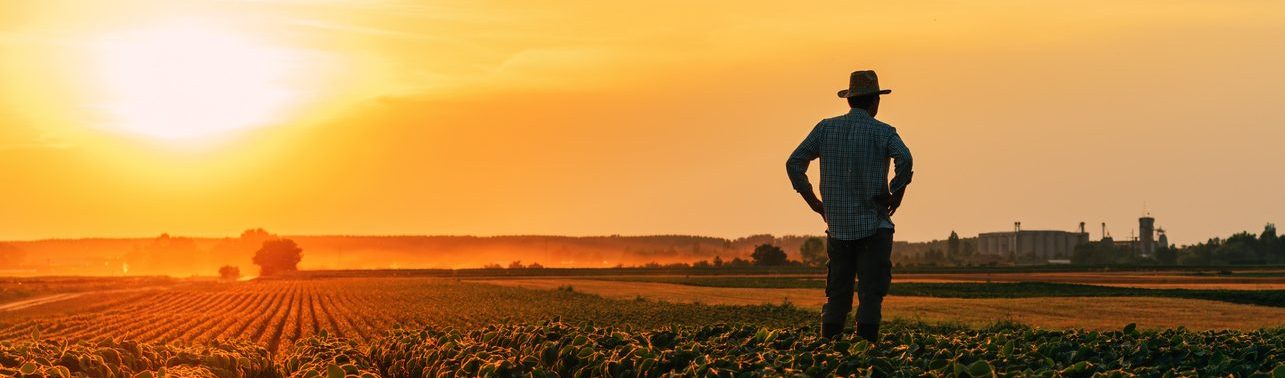
The end of the season often marks a change of pace for agricultural businesses.
For many Quebec farmers, the end of the agricultural season is also a time to review the year and prepare the operation for winter.
Once harvesting is complete and daily operations slow down, it becomes easier to reflect on what happened over the past few months.
It is also an opportunity to recognize completed work, highlight recent projects, and prepare for the next season with greater confidence.
The end of the agricultural season helps you evaluate results, identify challenges, and plan needed adjustments before winter.
This period offers a clearer view of your operation, from equipment checks to losses, challenges, and upcoming decisions.
It can also reveal vulnerable areas exposed by unexpected events during the season.
Where should you start to properly wrap up your agricultural season?
Here are a few ideas to help structure your thinking and approach the next season with more confidence.
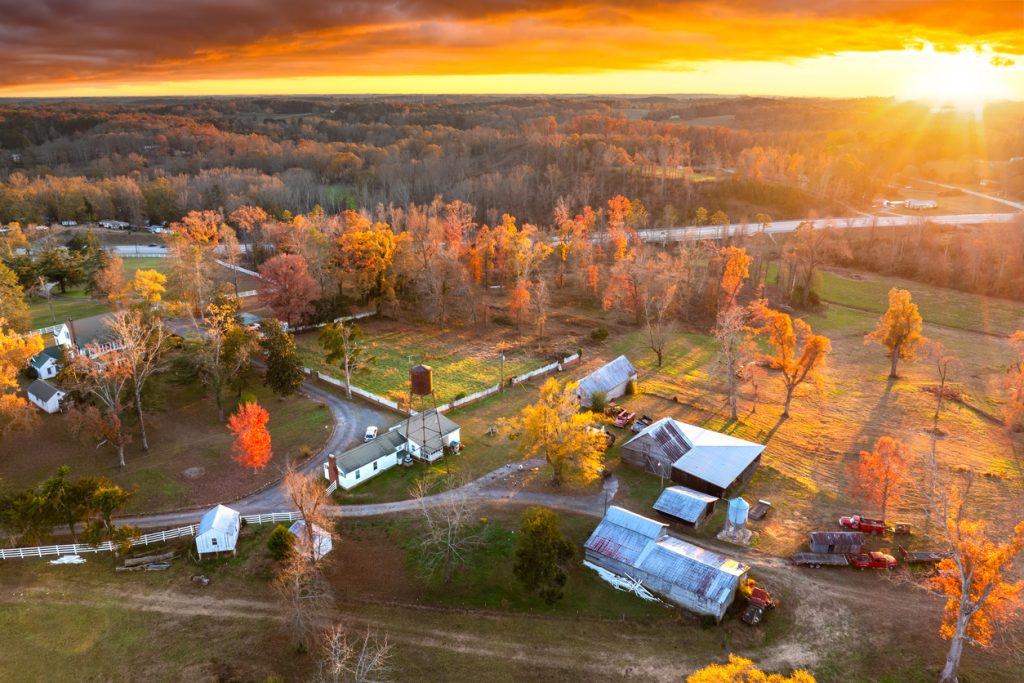
What did this agricultural season really teach you?
Every end of season is a good time to step back. Did your original plan match what happened in the field?
Weather conditions, unexpected events, and decisions made along the way may have changed the initial plan.
Some strategies may have worked well, while others may not have delivered the expected results. Reviewing these gaps helps explain the season’s outcomes.
In the end, this exercise gives you a clear picture of the season that has just ended.
A seasonal review often highlights practices that improved operational efficiency or helped manage unexpected situations.
When reality does not follow the plan
Even with good planning, some variables remain outside your control. Difficult weather, equipment failures, or affected crops can quickly disrupt a season.
These situations often reveal vulnerable points, such as dependence on specific equipment, tight timelines, or limited flexibility.
Unexpected events are part of agricultural life, but their impact varies from one farm to another.
Identifying the most vulnerable parts of your operation helps clarify potential risks. In some cases, it may be useful to review existing protections to ensure they still reflect your operation’s reality.
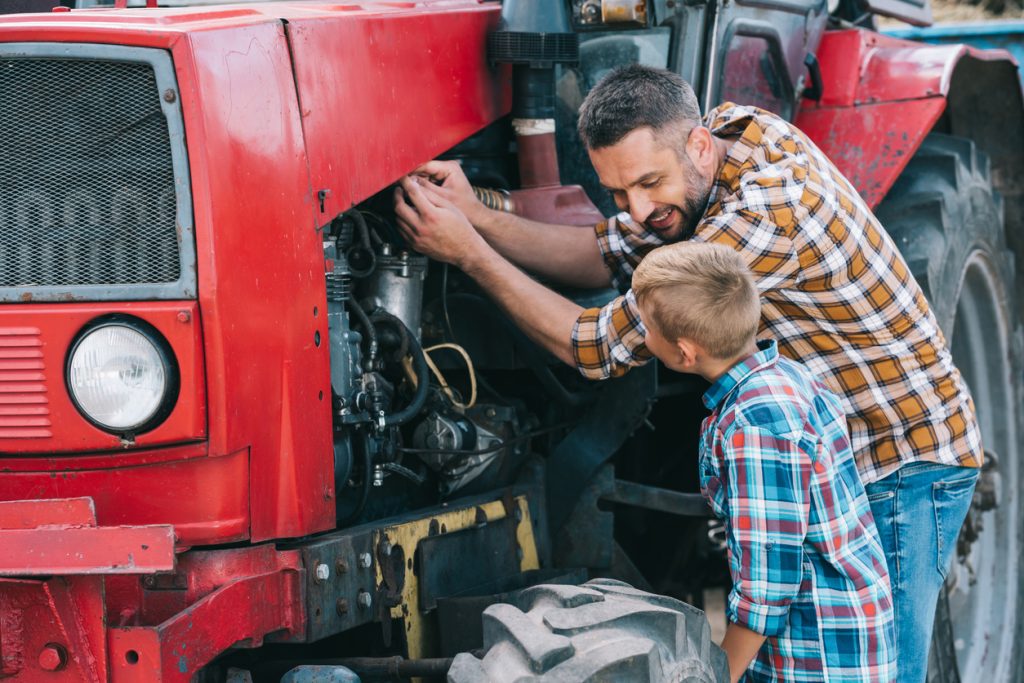
Oversights and delays to avoid before winter
The end of the season is often the right time to inspect equipment that has been heavily used over the past few months.
A worn part, delayed maintenance, or a minor issue can easily go unnoticed during busy operations.
Risks do not only appear during the season. Once field work is complete, equipment remains exposed to moisture, freezing temperatures, and improper storage. Combined with accumulated wear, these conditions can accelerate the deterioration of certain components.
This is the right time to identify what needs attention before winter and make sure equipment is ready when operations resume.
Agricultural buildings have also been affected by the season. A visual inspection before winter can help identify items to monitor.
What to check before storing your equipment for winter:
- worn or damaged parts that could worsen over time
- maintenance tasks postponed during the season
- signs of moisture that could affect components
- storage conditions for the most sensitive equipment
- protections in place against freezing temperatures and temperature changes

Questions to ask before closing out the season
Before turning the page on this season, consider the following questions:
✓ Are there repairs that have been waiting too long?
✓ Is any equipment showing signs of wear that should be monitored?
✓ Have all buildings been inspected recently?
✓ Have the main challenges from this year been noted?
✓ Were some risks underestimated because there was not enough time?
The biggest challenges do not always come from major events. They often begin with a small detail that was overlooked or postponed.
A few well-timed checks can make a real difference when operations start again.
How do losses and surpluses affect your agricultural operation?
A season is not measured only by what was harvested.
Crops affected by growing conditions, yields below expectations, or surpluses that are difficult to sell can have impacts beyond the field.
These gaps can affect work organization, upcoming projects, and the ability to absorb new unexpected events.
A season review makes it easier to understand what influenced the results and identify adjustments that may help in the future.
Adjustments worth considering for the future
With hindsight, it is often easier to identify moments when an adjustment could have made a difference.
Whether it relates to organization, planning, or managing unexpected events, each challenge can become a learning opportunity.
Some decisions may have delivered the expected results. Others may have revealed areas for improvement that were not considered at first. This reflection can also be an opportunity to review protection elements that have evolved with the operation.
Without questioning past choices, this exercise helps turn experience into a useful tool for what comes next.
Taking time to reflect helps turn lessons from the season into concrete actions for the coming months.
Adjustment opportunities to consider:
- practices that worked well;
- items that slowed down operations;
- critical dependencies on certain equipment, and
- ways to plan more flexibility when facing unexpected events.
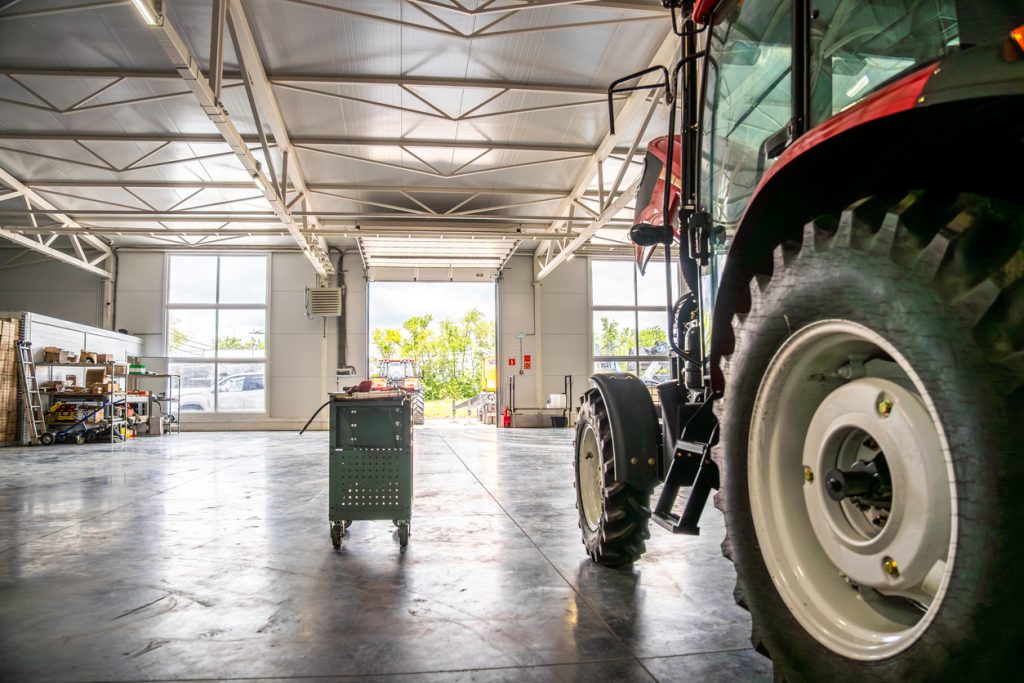
Preparing effectively for the next season
The end of one season also marks the beginning of the next. Observations made over the past few months can help guide adjustments, improvements, and planning.
Between equipment to replace, work to plan, and practices to optimize, several decisions can help strengthen the operation for the coming year.
It is also an opportunity to assess the operation as a whole and decide what should be maintained, improved, or reconsidered.
The best preparation for the next season often starts with lessons learned from the previous one.
Planning the next steps for your operation
Each season brings successes, challenges, and unexpected events. While some elements are beyond your control, others can be observed, documented, and considered in future decisions.
Whether it relates to equipment, buildings, operations, or projects, the post-harvest period is a valuable time to take stock.
Reviewing the season, inspecting equipment and buildings, and considering possible adjustments can help you approach winter with a clearer overall view.
A few targeted checks may be enough to support the transition into the coming months. Taking time to reflect on the year that is ending can help you prepare for future challenges.


