
- Automotive
- Coverage Explained
- General Advice
- La Turquoise
- Personal
- Practical Advice
- Recreational Vehicles
Replacement insurance (CIME)
4 min
This portal is for Intact Insurance clients. Log in to access your documents, your coverage and your claims tracking.
Farm operators
Contact us for a quote
Information to have on hand
To help us prepare your quote efficiently, here is the information that will be useful to have ready.
For all types of insurance
Your farm operation
Your machinery and equipment
Your animals
Your income and products
The more information we know, the more our brokers can customize an insurance program for your specific situation.

Dairy cattle, pigs, poultry, or sheep. Your animals and facilities may require coverage that reflects the value of your investment.
Hectares of grain, soy, or corn. Coverage options for your crops, equipment, and farm income.
When the maple season is short, every day counts. Coverage options designed for maple producers.
From the greenhouse to the field, each harvest represents a full year of work. Coverage options that reflect the risks of your agricultural operation.
You board horses or offer equestrian activities. Coverage options adapted to the risks of your operation.
From grapevines to apple trees, your crops and processed products may need coverage that reflects their value and the risks behind them.
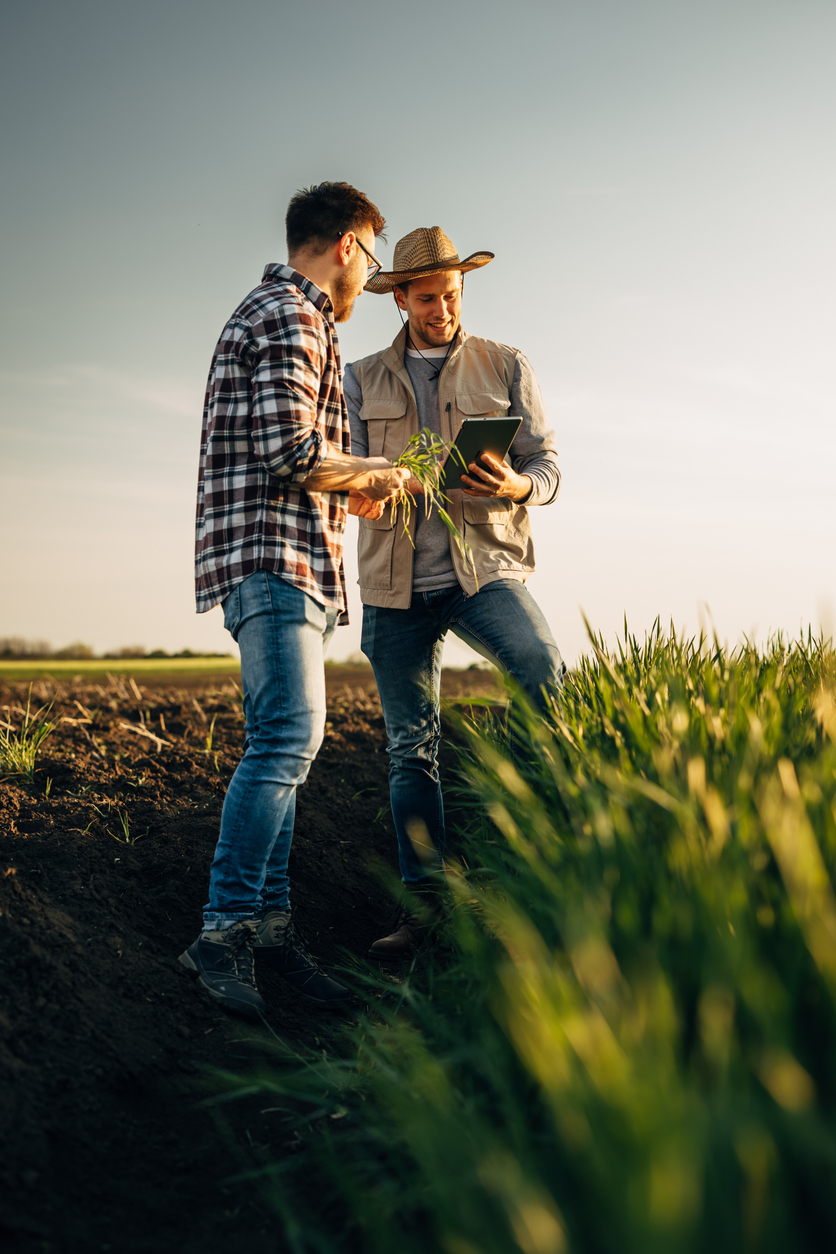
Every farm is different. A sugar bush faces different risks than a dairy farm or a market garden.
A barn fire mid-season, a tractor breakdown at seeding time, or a problem with the herd can quickly disrupt operations.
The right farm insurance coverage can make a real difference, subject to the terms, conditions, exclusions, limits, and deductibles of the policy.
A farm has many assets to protect:
Standard farm insurance is not always enough. Generic policies can leave gaps when buildings, equipment, animals, products, income, and liability exposures are not reviewed together.
A La Turquoise broker can review each element with you and help identify important risks before a loss occurs.
Contact us for a quote
A farm represents years of work. These coverages can help address common agricultural risks and support your recovery when a covered loss affects your operation.
Protect what you’ve built with coverage options reviewed for your situation.
The barn, the stables, silos, the henhouse, and the equipment shed are often the heart of your operation. In the event of a covered fire, storm, or vandalism loss, this coverage can help pay for repair or reconstruction costs.
The amount covered depends on the policy terms, exclusions, deductibles, limits, and insured value. We can walk you through the options.
Cattle, pigs, poultry, sheep, goats, or horses represent real values and specific risks. Coverage is generally established by species, based on the amounts specified in your policy. Newly acquired animals may also be covered for a set period, depending on the policy wording. We can help you understand how livestock coverage may apply to your operation.
A sugar bush can involve a heritage building, costly processing equipment, syrup stock, tubing systems, and a short production season. A covered loss at the wrong moment can affect a significant part of the year’s income. Coverage options can help protect your buildings, evaporators, tubing systems, syrup stock, and general liability if you welcome visitors.
The house on the farm is often where everything started. It may require its own home insurance policy, separate from your farm insurance. Your residence, personal belongings, and private outbuildings should be reviewed separately from your agricultural operations. Eligible home insurance discounts may apply, depending on the insurer and your situation.
A tractor, a combine harvester, tillage implements, tools, and spare parts can be essential to your daily operations. A theft, fire, or accidental damage at the wrong moment can disrupt your farm for days, weeks or more. This is especially true if the equipment is specialized or hard to find. Machinery coverage can help protect eligible equipment, depending on the type of loss and the policy wording. Certain equipment less than five years old may be eligible for replacement costs, subject to insurer conditions and required documentation.
Harvests, seeds, fertilizers, and animal feed help keep your farm running. Farm products may be covered while in the barn or in storage. They may also be covered while in the field, depending on the type of product, the cause of loss, and the policy wording. We can help you understand when coverage may apply.
An accident on your property, damage caused to a neighbour, or an accidental spill can create liability exposure. Farm operations carry risks for others. Agricultural general liability coverage can help you respond to a claim alleging bodily injury or property damage. This coverage includes defence costs and damages for which you may be legally liable, subject to the policy wording. Farms that rely on volunteer helpers or work exchanges can face additional liability exposure. A volunteer injured on your property can give rise to a claim against you, even before liability is determined. Specific coverage options may be available for these situations, depending on the nature of the work, who is involved, and the policy terms.
Some coverages can be added depending on your type of farm, your activities, and insurer eligibility. They can complement your basic coverage and help protect against situations that are easy to overlook.
A covered loss can force your operations to halt for weeks or even months. In the meantime, expenses keep coming. Business interruption coverage can help replace a portion of lost income and cover certain additional costs while you resume operations. It is subject to the waiting period, limits, indemnity period, and policy wording.
Do you plow private driveways, spread on a neighbour’s land, or offer spraying services? Your farm policy does not automatically cover activities carried out of your property or services provided to others. Separate coverage may be required based on the type of work performed, where it is performed, and how often.
Your farm policy may not cover an ATV used in the forest or a snowmobile used to travel your land in winter. These vehicles may require a separate policy adapted to their use and specific risks.
Your milking parlour, ventilation system, or electronic and mechanical equipment can fail without warning. Equipment breakdown coverage can help pay repair or replacement costs caused by a sudden accidental breakdown. It may also cover certain resulting losses, such as spoilage caused by a refrigeration unit failure, depending on the policy wording.
After a covered loss, animal welfare standards may require specific arrangements before you can resume operations. This endorsement may cover a portion of the costs incurred to meet applicable requirements and support the welfare of your animals. However, it is subject to policy limits and conditions.
A fuel, pesticide, or manure spill can lead to significant cleanup costs. You have a responsibility toward the environment and your neighbours. Environmental coverage can help respond to soil and water decontamination costs. This includes some pollution events that may not be covered under a standard farm policy, subject to policy terms, exclusions, limits, and regulatory requirements.
Farm trailers and equipment that travel on public roads may need separate coverage. This coverage can help protect eligible assets while in transit or on public roadways, depending on their use and the policy wording.
View our partner insurers
La Turquoise works with several insurers that specialize in agriculture and farming risks. This gives us access to multiple markets. It allows us to compare coverage options for your farm, based on your operation, eligibility, insurer appetite, and policy conditions.
Example Partner Insurers:
Certain discounts or advantages may be available depending on your insurer, your farm, your home insurance, your equipment, and your eligibility. A La Turquoise broker can help verify what may apply to your situation.
Bundling your auto and home insurance through La Turquoise may reduce your premium. Combining several coverages with the same insurer can sometimes result in a more advantageous rate, depending on eligibility and insurer conditions.
Installing a fire or theft alarm system may reduce your home insurance premium. This type of device can help lower certain risks. It may be taken into account when calculating your premium, depending on the insurer and system type.
Are you a member of the Fédération de l’âge d’or du Québec? Some insurers offer exclusive discounts or benefits to members. A broker can verify your eligibility and present any savings that may be available to you.
This program uses smart detectors in farm buildings to monitor electrical anomalies continuously. It can help reduce the risk of fire and alert you in real time if a problem is detected. Enrolled producers may benefit from a premium discount, depending on insurer eligibility and program conditions.
La Turquoise collabore avec plusieurs associations, regroupements professionnels et organisations afin d’offrir des avantages à leurs membres. Parcourez la liste pour voir les associations et programmes actuellement offerts.
No results found.
Farm operations face specific risks that standard insurance does not always address. This section answers frequently asked questions to help you better understand your coverage options, your obligations, and the decisions involved in insuring your farm properly.
Not necessarily. Farm insurance policies include specific clauses and certain exclusions depending on the risks involved. Damage caused by snow loads, for example, is not automatically covered under all policies.
The insured value of your buildings and the risks included vary depending on your policy. A La Turquoise broker can review your current coverage and help identify potential gaps before a loss occurs.
La Financière agricole may respond to certain crop losses caused by weather events, depending on the program and eligibility. It generally helps offset losses related to what is in the field. It does not replace farm insurance for buildings, farm machinery, livestock, or general liability.
Picture a hailstorm that damages both your crop and your silo. La Financière agricole may respond to the crop loss, depending on the program and eligibility.
For the silo, you would need separate farm insurance, with any reimbursement subject to the policy wording, insured value, deductible, and valuation basis.
The two coverages are complementary. One does not replace the other.
A dairy farm, a sugar shack, and a vineyard do not face the same insurance risks. A specialized broker can review your operation in detail, including buildings, livestock, inputs, machinery, and direct sales activities.
An insurance broker is not tied to a single insurer. Comparing several markets can help identify coverage options adapted to your reality. An underinsured stable, an uninsured business interruption exposure, or a combine breakdown at harvest time can have major financial consequences.
A broker helps you review the important risks so fewer exposures are missed.
Farm operations are exposed to accidental pollution risks. These include manure spills, fuel leaks, and contamination of a waterway or groundwater. These situations can trigger your environmental general liability and lead to significant decontamination costs.
Many standard policies limit or exclude pollution-related damage, especially when contamination develops gradually or falls outside the policy’s basic pollution wording.
Basic pollution wordings generally only include sudden and accidental pollution events.
Specific environmental coverage may be important for livestock farms, field crop operations, and any farm that stores fuel, pesticides, manure, or other potentially contaminating products. Check with your broker about whether this coverage is included in your current policy and how it applies.
Welcoming the public creates additional liability exposure. A fall in the driveway, an accident during a field activity, or an injury at the sugar shack can result in a claim against you.
General liability coverage in a farm insurance policy may respond to this type of situation, including certain defence costs and damages for which you may be legally liable, subject to the policy wording.
This coverage is particularly important for agritourism farms, maple producers who receive groups, and producers who sell directly to the public.
To avoid coverage issues, all activities open to the public should be declared to your insurer. Make sure your policy reflects your current activities.
Because every situation is different, we offer insurance solutions adapted to your reality, whether it involves your property, your activities, or your business.